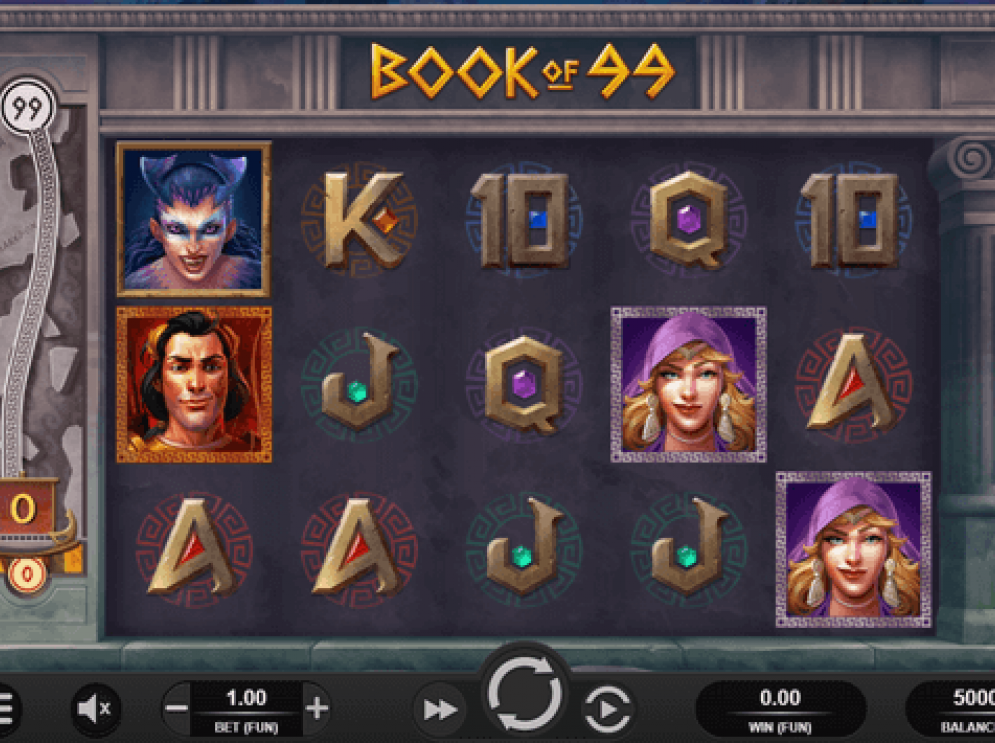
As a experienced reviewer of the online casino landscape, I find that players are often so captivated by a game’s mechanics, like the alluring high-volatility RTP of Book of 99, that they neglect the essential framework of legal documentation that makes playing it protected and legitimate in the UK https://slotbook.games/book-of-99/. This isn’t just bureaucratic red tape; it’s your primary shield. Before you chase the high-stakes adventure of this popular slot, understanding the paperwork required by both you and the operator is crucial. This article will meticulously dissect the seven core pillars of legal documentation that govern your access to Book of 99 on UK-licensed platforms. From the mandatory licensing of the casino itself to the Know Your Customer (KYC) checks you’ll undergo, I’ll provide a useful, step-by-step guide to what you need, why it’s required, and how to navigate the process seamlessly, ensuring your gaming experience is both rewarding and protected within the strict confines of British law.
Comprehending the UK Gambling Commission’s Licence Framework
The fundamental bedrock of legal online slot play in the UK is the Gambling Commission licence. Any casino offering Book of 99 to British players must maintain a valid, active licence from this regulator. I cannot emphasise its importance; it is the single most critical document. This licence isn’t merely a permit to operate. It is a detailed contract between the regulator and the operator, binding the casino to rigorous standards on player protection, fair gaming, anti-money laundering protocols, and responsible gambling. When you play at a UKGC-licensed site, you are engaging with an entity that is legally obligated to treat you fairly, pay your winnings promptly, and safeguard your funds in segregated accounts. The licence number is always shown at the bottom of a casino’s website, and I always advise players to click through to verify its status directly on the Gambling Commission’s official register. Playing Book of 99 on a site without this licence eliminates all these statutory protections and avenues for redress.
Required Player Verification: The KYC Process
Once you’ve selected a licensed operator, the next legal requirement directly affects you: the Know Your Customer (KYC) verification process. This is a compulsory legal obligation under UK anti-money laundering and counter-terrorist financing regulations, not a discretionary request from the casino. The process demands you to submit specific documents to prove your ID, age, and address. I’ve seen many players express frustration at this step, but from my analytical viewpoint, it’s a vital safety net. It prevents underage gambling, discourages fraud, and safeguards your account from being used illicitly. The casino is legally prohibited from allowing you to withdraw any winnings from Book of 99 until this process is successfully finalized. Therefore, submitting clear, valid documents promptly is in your direct interest. It streamlines your experience and provides full access to the platform’s functionalities, including cashing out those sought-after Book of 99 bonus round wins.
Primary Proof of Identity Papers
For the identification portion of KYC, you are required to provide a government-issued photographic ID. The acceptable documents are uniform across UKGC-licensed operators. The most usual and globally acknowledged is a valid passport. Its advantage is that it’s an internationally recognised travel document with strong security features. The second most usual option is a UK photocard driving licence (full or provisional). This is a convenient choice for the majority of UK residents. Some operators may also accept a UK biometric residence permit. What I have to highlight is that the document must be current and not expired. A distinct, colour photograph or scan of the full document is required, showing all four corners, your photograph, your full name, date of birth, signature, and the document’s expiry date. Blurred, cropped, or expired documents will be rejected, causing avoidable delays in accessing your Book of 99 winnings.
Proof of Address: Confirming Your Residential Status
Apart from proving who you are, you must prove where you live. This is a critical legal check to confirm you are based within the UK, a condition of using a UK licence, and to further prevent fraud. The document must be recent, typically issued within the last three months, and must clearly show your full name and your current residential address. A utility bill (gas, electricity, water, or landline phone) or a council tax bill are considered the gold standard. A bank or building society statement, or a credit card statement, is also widely accepted. Official letters from government departments, such as HMRC or the DWP, can also suffice. Importantly, mobile phone bills and printed online statements are sometimes accepted but can be subject to stricter scrutiny; I always recommend using a traditional utility bill or bank statement if possible to avoid holdups.
Payment Method Verification Proof
This area is often a surprise to players, but it’s a logical extension of anti-fraud measures. To make deposits and, more importantly, withdrawals, you need to demonstrate that you own the payment method in use. If you use a debit card (like Visa or Mastercard), you will likely need to provide a photograph or scan of the physical card. For security, you can obscure the middle eight digits of the card number and the CVV code on the back; only the last four digits and your name need to be visible. For e-wallets like PayPal, Skrill, or Neteller, you may need to provide a screenshot of your account overview showing your registered name and email address, confirming it matches your casino account. This requirement legally connects your financial activity to your verified identity, building a secure audit trail for every transaction concerning your Book of 99 sessions.
Terms and Conditions: A Player-Operator Arrangement
While not a document you file, the casino’s Terms and Conditions (T&Cs) form the legal contract between you and the operator. I examine these meticulously, as they govern every aspect of your engagement with the Book of 99 slot. Key sections you need to review include bonus wagering requirements (especially relevant if you apply a bonus to play), game contribution percentages, withdrawal limits and processing times, dormant account policies, and rules on fair play. The T&Cs will also detail the legal jurisdiction for any disputes, which for a UKGC licensee will be under English and Welsh law. By creating an account and playing, you are legally binding yourself to be bound by these terms. Therefore, understanding them is not just prudent; it’s a fundamental part of being an informed consumer. Ignorance of a clause, such as a maximum bet rule under a bonus, can lead to voided winnings.
Safe Betting Tools and Voluntary Ban Agreements
The final pillar of legal documentation centers on player protection tools, which are a key requirement of the UKGC licence. These are formal mechanisms you can initiate, creating a documented agreement with the casino to manage your play. They include deposit limits, loss limits, wagering limits, and session time reminders, all of which you can configure within your account. More notably, you can undertake a formal self-exclusion agreement via GAMSTOP. When you ban yourself through this national scheme, you are legally documented as electing to be barred from all UK-licensed gambling sites for a chosen period. During this time, operators are legally forbidden from marketing to you or allowing you to open new accounts. This documentation acts as a powerful legal protection for individuals who find their engagement with games like Book of 99 is becoming problematic.
Common Questions
Why do I need to send documents to play an online slot like Book of 99?
UK law mandates that licensed casinos verify your identity, age, and address. This KYC process prevents underage gambling, money laundering, and fraud. It further secures your account and ensures winnings reach the correct individual. Without verified documents, withdrawals are impossible, so submitting them quickly is advisable.
Which document combination speeds up verification the most?
For the quickest verification, use your UK photocard driving licence for ID (since it includes your address) along with a recent utility bill or bank statement for address proof. This covers both requirements with commonly accepted documents. Confirm scans are clear, colour, and include all information. Opt for a core utility bill rather than a mobile bill if possible.
Is it safe to send personal documents to an online casino?
Yes, as long as the casino has a valid UK Gambling Commission licence. These operators must legally enforce strict data protection measures (compliant with GDPR) and use secure, encrypted portals for uploading documents. Your data cannot be used for marketing or shared unlawfully. Avoid sending documents to any unlicensed site.
Am I allowed to play Book of 99 before my account is completely verified?
Typically, yes, you can deposit and play games like Book of 99 before verification is complete. However, a key legal rule applies: you cannot withdraw any winnings until the KYC process is fully completed. This is a common regulatory requirement for all UK-licensed operators to prevent fraud before funds are paid out.
What should I do if my verification document is declined?
The casino support team typically emails you with the reason—common problems are blurry images, expired documents, or name mismatches. Simply resubmit an accurate, clear copy of the required document. If the rejection appears incorrect, contact customer support directly for an explanation. Continue until verification is complete; you cannot circumvent this legal obligation.